Former Delhi Chief Minister Arvind Kejriwal has remained at the center of national attention following serious corruption accusations connected to the Delhi Liquor Policy. A recent court ruling dismissed these charges, sparking intense debate across legal circles, political arenas, and public discourse. This article explains the full legal timeline, clarifies the real meaning of a “clean chit,” and outlines what may happen next.
Historical Background – What the Case Was About
a) Origin of the Allegations
The controversy began in 2022 when the Central Bureau of Investigation alleged irregularities in the drafting and execution of Delhi’s liquor licensing framework. Investigators claimed that certain provisions unfairly favored private entities and involved abuse of official authority.
(b) Arrests and Legal Proceedings
In March 2024, Kejriwal, former Deputy Chief Minister Manish Sisodia, and several others were taken into custody based on investigative findings. They remained jailed for extended periods before securing bail, while proceedings continued over the following years.
“Inside the Courtroom: The Verdict That Changed the Narrative”
a) Trial Court Decision
On 27 February 2026, a Delhi trial court — Rouse Avenue Court — acquitted Kejriwal, Sisodia, and multiple co-accused in the liquor policy matter. The judge ruled that prosecutors failed to present reliable and convincing evidence establishing any criminal conspiracy.
b) Key Judicial Findings
The court emphasized:
Evidence was weak and contradictory.
Witness statements lacked independent corroboration.
No direct proof linked the accused to any illegal scheme.
Under criminal law standards, guilt must be proven beyond reasonable doubt; the court found that threshold unmet.
c) Meaning of the Term
“Clean Chit”In media language, “clean chit” suggests complete vindication. Legally, it simply means:
The accused were acquitted because charges were not proven.
It does not automatically establish that allegations were false.
The matter can still be challenged in higher courts.
“The Battle Isn’t Over: Legal Moves Still in Motion”
a) Appeal by Investigators
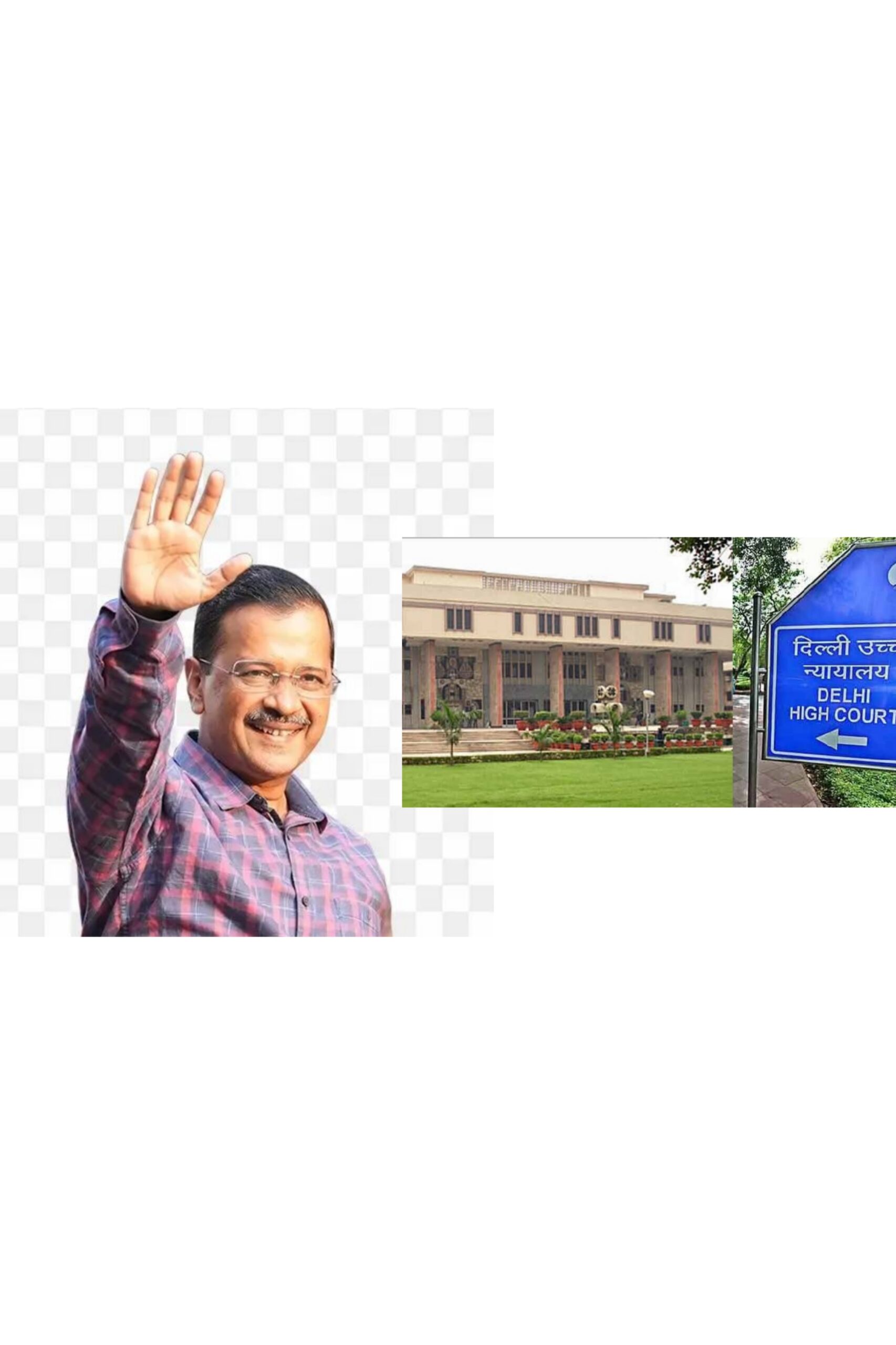
Following the verdict, the investigating agency approached the Delhi High Court seeking reversal of the trial decision, arguing that relevant evidence was not properly evaluated.
b) Parallel Proceedings
Meanwhile, the Enforcement Directorate is conducting a separate money-laundering investigation tied to similar facts. This proceeding is legally independent and unaffected by the acquittal unless decided otherwise by courts.
Celebration for Some, Skepticism for Others
Leaders of the Aam Aadmi Party projected the ruling as a powerful affirmation of their stance, framing it as proof that the accusations lacked solid legal foundation and were unsustainable in court.
Dissenting voices, including Delhi Chief Minister Rekha Gupta, emphasized that the order comes from a trial court and remains open to judicial scrutiny in higher forums.
Policy commentators and election strategists are now analyzing whether this courtroom development could reshape public perception and influence the party’s political momentum in upcoming contests.
“Legal Victory or Political Turning Point?”
a) Legal Viewpoint
From a strictly judicial perspective:
The acquittal resulted from insufficient proof, not a formal declaration of innocence.
Appellate courts retain authority to reassess findings.
Independent investigations may proceed under separate statutes.
b) Political Implications
In the political sphere, the ruling is being portrayed as:
A chance for reputational recovery.
Evidence supporting claims of political targeting.
A continuing topic of national debate among parties and commentators.
The Final Word: Law, Politics, and Reality”
The so-called clean chit is a legal acquittal based on lack of evidence, not a confirmation that allegations never occurred.
Litigation is still ongoing because appeals and parallel probes remain active.
Beyond the courtroom, the case carries significant implications for India’s political narrative and public trust in institutions.