
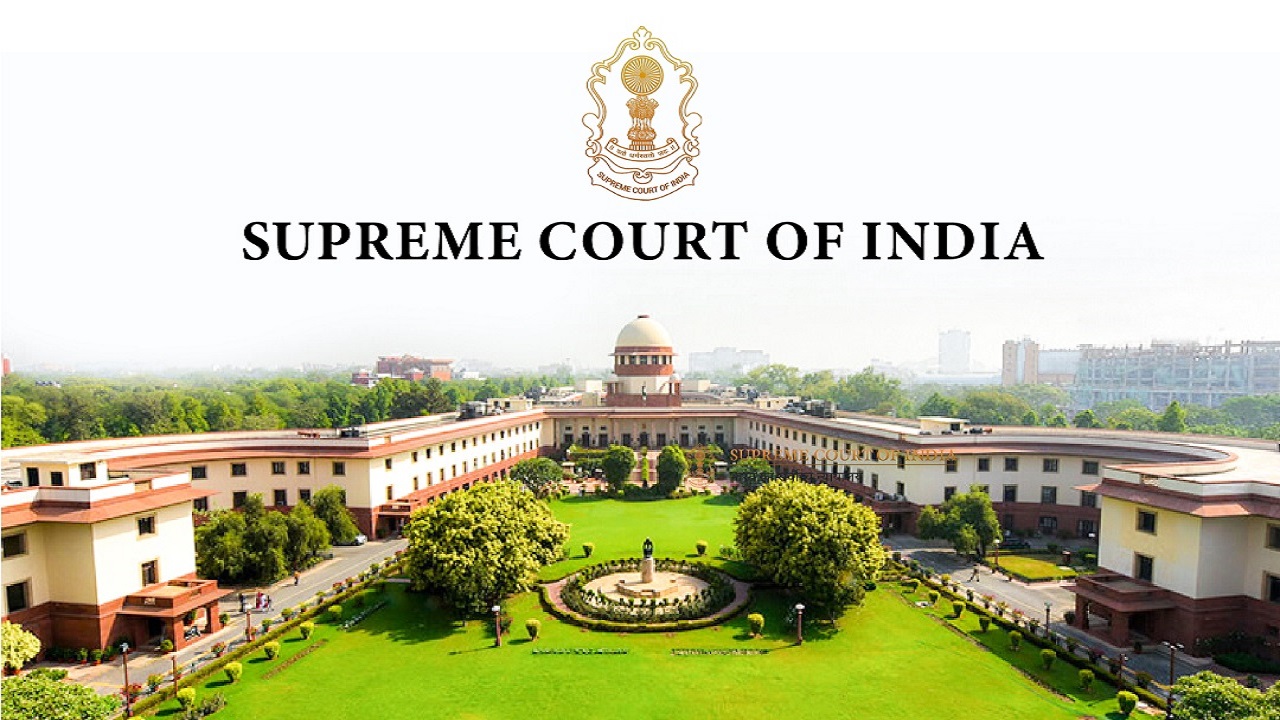
What is the News?
The Supreme Court of India has recently reiterated the basic principles governing bail in criminal cases, emphasizing that “bail is the rule and jail is the exception”. The Court reminded lower courts that personal liberty under Article 21 of the Constitution must not be curtailed unnecessarily.
This judgment is important for law students, judiciary aspirants, and UPSC candidates, as bail-related questions frequently appear in exams and interviews.
Background of the Case
In this case, the accused was denied bail by the lower court despite:
- No previous criminal record
- Investigation being substantially completed
- No risk of absconding
The accused approached the Supreme Court challenging the rejection of bail.
Supreme Court’s Key Observations
The Supreme Court made the following important points:
- Bail should not be denied as a punishment
- Courts must balance individual liberty with societal interest
- Prolonged pre-trial detention violates Article 21
- Gravity of offence alone is not sufficient to deny bail
Why This Judgment Matters
This judgment:
- Strengthens the right to personal liberty
- Provides guidance to trial courts and High Courts
- Is relevant for understanding criminal law procedure
- Helps clarify bail jurisprudence in India