Nineteen-year-old NEET candidate Atharva Chaturvedi from Jabalpur personally presented his case before the Supreme Court in February 2026 and obtained a provisional MBBS seat.
He had scored 530 out of 720 marks and secured an EWS rank of 164, yet he was refused admission because private medical colleges in Madhya Pradesh had not enforced the 10% EWS reservation policy.
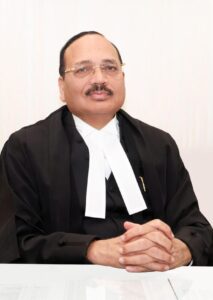
A bench headed by Chief Justice Surya Kant used its authority under Article 142 of the Constitution to order the state authorities and the National Medical Commission to grant him admission.
The central issue was the state’s failure to implement EWS quota provisions in private medical institutions, which he argued amounted to a denial of his constitutional rights.
The Court underscored that procedural or administrative shortcomings should not deprive an eligible student of a seat to which they are legally entitled.
What is EWS Reservation ?
EWS = Economically Weaker Sections quota.Introduced to support financially weak candidates from the general category.Applies only to those not covered under SC, ST, or OBC.
Background :
Earlier reservation was mainly based on social and educational backwardness.Concern arose that poor individuals from unreserved categories lacked support.Solution → 103rd Constitutional Amendment (2019) introduced EWS quota.
Reservation percentage :
10% reservation for EWS candidates.Applies to:Government jobsGovernment educational institutionsIt is additional quota, not taken from existing reservations.
Article mentioned of EWS :
Article 15(6) → Reservation in education
Article 16(6) → Reservation in public employment
Who qualifies for EWS
Annual family income below ₹8 Lakh limited land/property Ownership must belong to general category only.
Article 226 → Allows a person to approach a High Court for violation of legal or fundamental rights.
Article 32 → Allows direct approach to the Supreme Court for enforcement of fundamental rights.
Article 136 (Special Leave Petition – SLP) → Allows a person to appeal before the Supreme Court against any judgment/order of any court or tribunal in India (discretionary power).
In such admission disputes, students often file:Writ petition in High Court firstorDirect SLP before Supreme Court if urgent or exceptional circumstances exist.
The legal fight
The NEET student claimed rightful entitlement under EWS.Alleged denial violated equality and education rights.Filed petition seeking judicial intervention using constitutional remedies.
Final takeaway
This case symbolizes legal awareness + courage.Rights become meaningful only when citizens claim them.Education is not a privilege — it is a right worth fighting for.